The 2025 Pacific Heatwave That Won't Quit
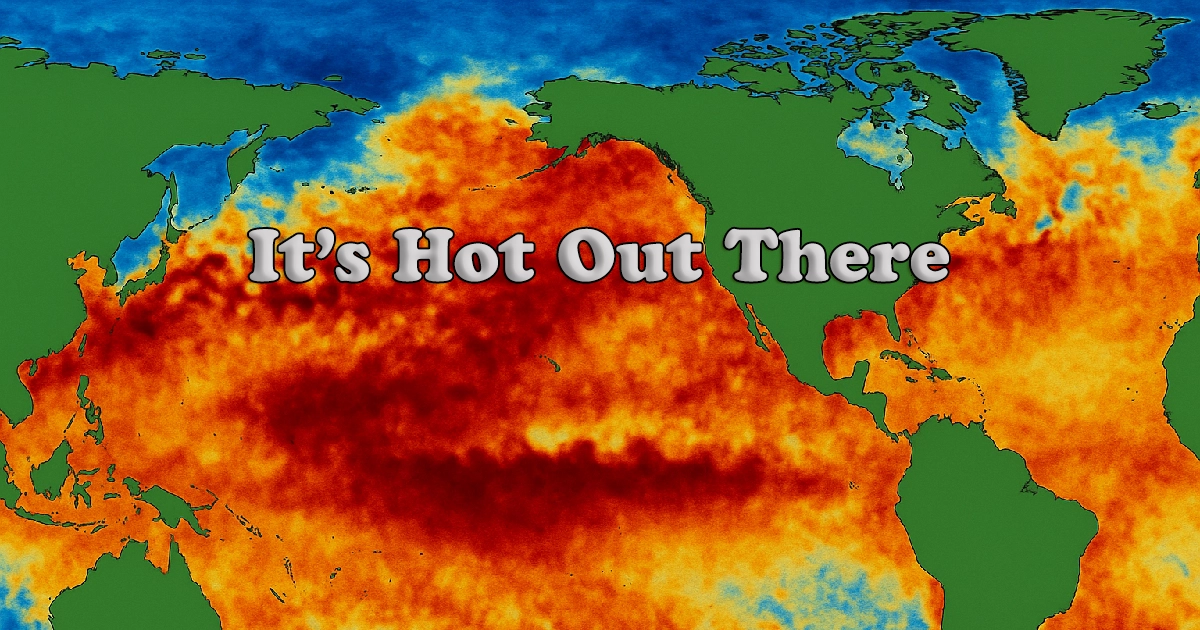
October Has Been Hot
With all of the political turmoil in North America this year, few people seem to be talking about how HOT it is. It's the second week of October and the highs where I live are still in the mid 80's and are forecasted to stay that way for at least the next two weeks.
By now, we are use to hearing about records being broken year after year, but this year the Pacific Ocean is in particular showing out. Normally, when ocean temperature records are broken it's by a half a degree Celsius or so. This year, the Pacific has broken records in excess of 5 degrees! That's alarming and no one is paying attention.
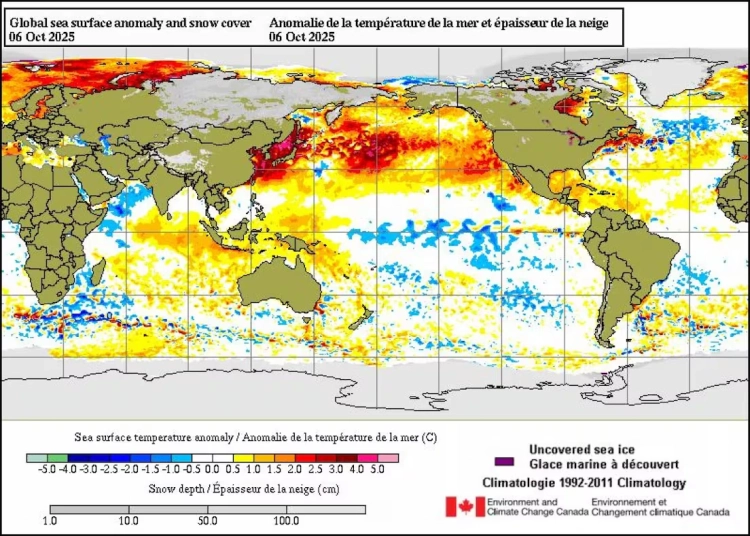
The heatwave in the northern Pacific has pushed the jet stream farther north, right when it would normally dip into North America and bring those fall-like temperatures. October is usually one of my favorite months; I look forward to those crisp 70-degree days all year. I honestly can't remember the last time I needed a heavy coat. Might as well donate it, lol.
These warm "blobs" don't just delay fall. They can supercharge winter, sometimes setting up colder snaps and heavier snow once the season finally locks in. North America may be in for a wild ride this year.
Meanwhile, about 84% of the world's coral reefs are under stress because the oceans aren't just warming in patches, they’re staying hot everywhere. The ocean is basically Earth's memory bank, absorbing heat from greenhouse gases. And whether you're sick of hearing about them or not, those gases, and their impact, aren't going anywhere.
Northern Pacific Heatwave 2025: Quick Facts
-
5,000 miles wide: A massive marine heatwave stretches from Japan to the U.S. West Coast, one of the largest on record.
-
+5°C anomalies: Some regions of the Pacific are running more than 5 degrees Celsius hotter than normal.
-
4th largest ever: The Northeast Pacific is enduring its fourth-strongest marine heatwave since records began in 1982.
-
Not El Niño's fault: ENSO is neutral, so this isn't just the usual El Niño cycle, it's an independent heat surge.
-
Winter wildcard: Such ocean anomalies can warp the jet stream, often leading to harsher winters in North America.